Beyond Brushing: The Role of Professional Cleanings in Long-Term Gum Health
Many individuals take for granted that by simply brushing their teeth twice daily and frequently flossing, their gums will remain healthy. While this assumption is logical, it is not entirely accurate. Proper oral hygiene accomplishes a great deal, but there are hidden dangers in the mouth that your oral routine cannot combat, and this is where gum disease establishes itself.
The Problem With Plaque That Stays Too Long
Brushing your teeth is an effective way to remove soft plaque, the biofilm of bacteria that accumulates on your teeth during the day. If you brush regularly, you are disrupting that film before it has a chance to do damage. The problem is that time thing. Plaque that is not removed within about 48 to 72 hours begins to mineralize. It wicks calcium out of your saliva and hardens right into your teeth as part of the crystalline structure. That’s right. It becomes your teeth. Or more precisely: calculus (the acceptable term), or tartar (the common term).
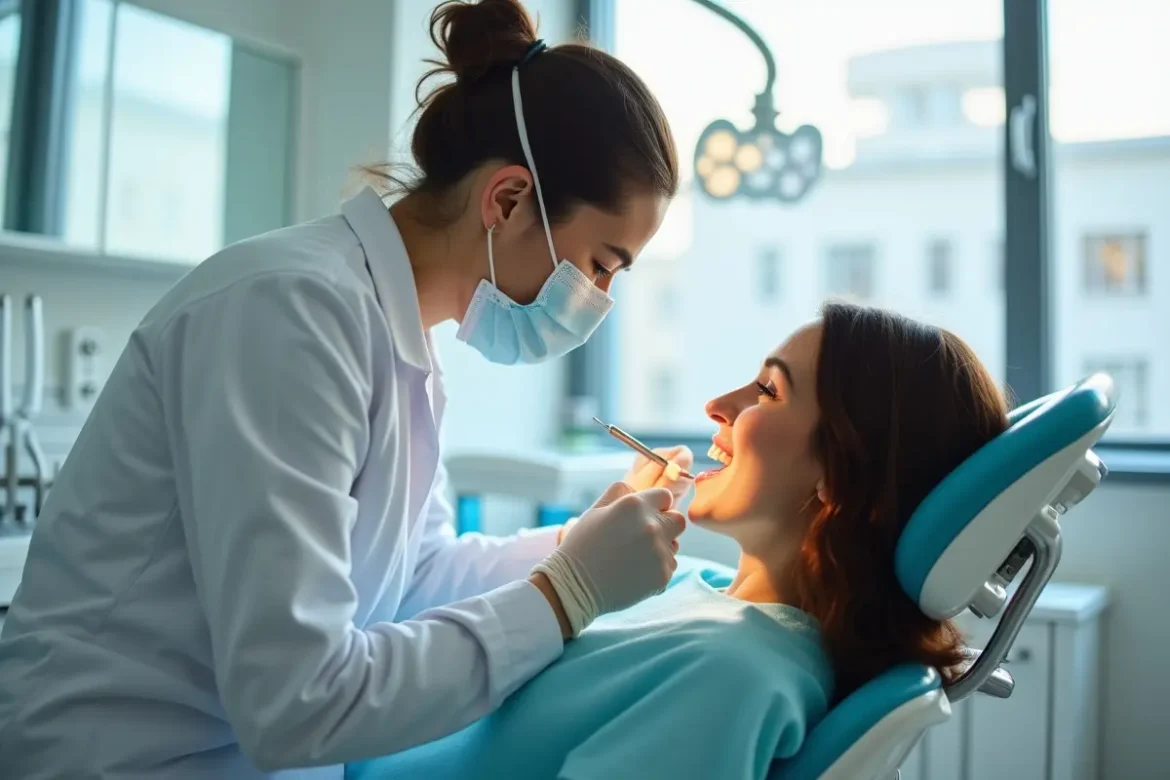
No toothbrush on earth will take tartar off your teeth. Not a manual. Not an electric. And not a sonic. You’re in the office chair now, and you’re looking at the ultrasonic scalers and the hand instruments that are taking tartar off your teeth because that particular ship has sailed. Nearly 47.2% of adults aged 30 years and older have some form of periodontal disease. We feel your pain. But we can’t blame you the way we want to. It’s just that is how fast the disease rips once it has a good solid start in the form of calculus sub-gingivally and your home care devices can’t disturb it.
The Case For Treating Cleanings as Preventative Investment
There is a simple financial rationale here that we typically don’t account for. A semi-annual hygiene visit is routine, quick, and pretty cheap. A gum graft, an implant, or any kind of tooth replacement is none of the above. The delta in costs between early prevention vs. late-stage treatment is high enough that those professional cleanings will pay for themselves several times over.
And, sure, this is a little squishier, but halitosis, gum sensitivity, and losing your teeth are kind of life-ruiners. Bad breath and a gummy smile make an impact on your life that only grows over time. Those that seek out personalized preventative care tend to stay off that path. Those that seek out long-term, planned, structured care vs. emergency-only typically do well to consult a Private Dentist in Reigate and establish a good baseline before determining what a cleaning schedule is that’s tailored to their risk profile.
What Happens Below the Gum Line
The most serious risk of gum disease isn’t visible to the naked eye. Instead, it’s from bacteria thriving in the space between our gums and teeth. This space grows as inflammation gets worse. Once the pocket reaches a certain depth, the bacteria in it become sheltered from anything the patient can do at home.
We measure this pocket depth through a process called probing, taking depths at several points around each tooth. These numbers can tell us if gingival recession is occurring, meaning your gums are losing their grip and pulling further from your teeth. The loss of attachment doesn’t reverse on its own. When pocket depth increases, it means that recession is happening or has already taken place.
Once your mouth reaches this scaling and root planing stage, we remove those deposits from the root surfaces and make it smooth again so the gum can reattach. At this point, the treatment is simple. If it progresses further, however, you’re dealing with periodontitis, which can lead to tooth loss and damage to the bone.
The Link Between Gum Health and the Rest of Your Body
Surprisingly enough, this is something that many people are not aware of. Gum disease is not a local problem but instead is an inflammatory disease and inflammation doesn’t politely remain in one location within the body. The bacteria that cause periodontitis can enter the bloodstream, and long-term periodontal inflammation has been linked to a higher risk of cardiovascular disease and diabetes, as well as poorer outcomes with various other systemic diseases.
Professional cleanings not only decrease the bacterial load in the oral microbiome but also reduce the overall inflammatory load on the body. This isn’t just a pleasant side effect of a clean mouth; it’s a positive contribution to overall health that most people underestimate when they consider the value of good dental hygiene.
More Than a Clean: What Professionals Catch That You Won’t
A hygiene visit is also a check-up. During a check-up dental appointment, a clinician checks for oral cancer, for unusual tissue changes, for enamel-wear patterns and for structural things that aren’t visible to a patient looking in a bathroom mirror. These are findings where early detection changes outcomes dramatically.
The assumption that a dental visit is only necessary when something hurts is one of the more expensive assumptions people carry around. By the time there’s pain, the problem has usually been under way for quite a while.
Regular professional cleaning is the machinery that keeps the whole thing working. Home-care is crucial, it just doesn’t do the same job that a person trained to spot things and armed with the right tools can do.