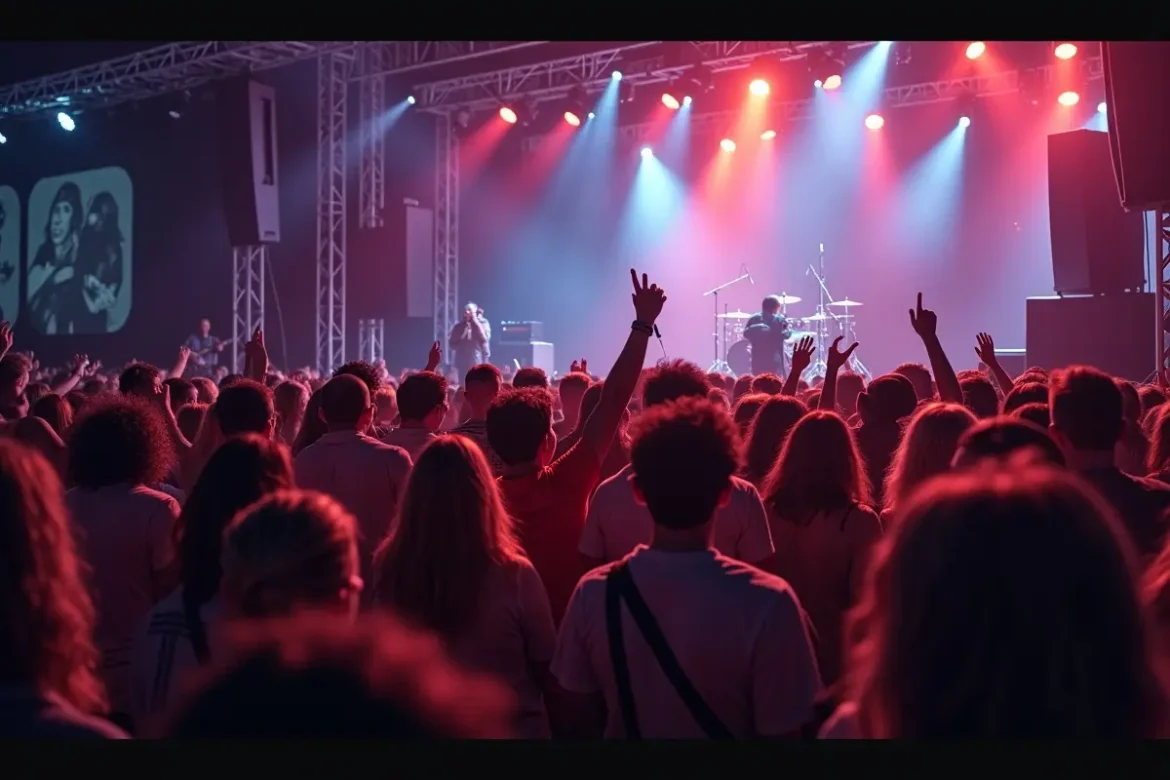
Why Sound and Vision Matter More Than You Think at Events
There’s a moment at just about every wedding, corporate launch, and conference where things come together. The music is perfectly timed, the microphone carries the speaker’s voice to the back of the room, and the projector is sufficiently high resolution for someone in the second row to read. Everything seems intentional and polished. But that moment doesn’t happen by chance.
Most guests probably couldn’t tell you why an event felt so great in hindsight. They might mention the food, the venue, the buzz of the crowd. But behind everything else, sound and vision are quietly working overtime. When they’re done well, no one notices. When they’re not done well, everyone does.
The Technical Element People Don’t Consider
Here’s the thing about audio visual production, it sounds less complicated than it is until you’re standing in a room hearing feedback from two feet away while squinting to see a presentation only visible for someone two rows back from the front.
It’s not as easy as just turning up sound. It’s about nuances like acoustics, where to place speakers to avoid dead spots or ensuring that no person’s microphone is too loud while someone’s wearing a different type of receiver. And it’s about getting it to a place where the balance sounds good for someone sitting two feet away from a podium or in the back corner of a room. And that’s before anyone even enters the space for the event.
Visuals bring their own challenges as well, ambient light, size of projection, throw distance, resolution, all determine whether or not the audience can effectively engage with what’s being presented. If your audience can’t see it because the screen is too small, too blown out with natural light, or shoved in a corner, it doesn’t matter how good your messaging is. And when events are rolling, they rarely come with any opportunity to fix anything at that point.
Why We Judge First Impressions
We make impressions fast, we know whether or not we’re interested in being somewhere two minutes upon entry. Sound and vision play critical elements in that initial association.
If you walk into a space and the background music sounds scratchy or the welcome video looks pixelated on an expanded screen, something in your subconscious notes it’s off. Even if everything else is thought out to perfection, it gives a vibe that maybe it hasn’t been thought through yet. It’s not fair, but perception isn’t always fair.
On the other hand, crystal-clear sound and visuals without having anyone even say a word communicate professionalism immediately. It allows the audience to settle into their experience rather than being pulled out by anything overly technical.
Emotion Is Connected to What We Hear
And sometimes it’s what we hear that gets people to feel something more significant. This is how film composers get paid big bucks and background music in shopping malls is critically studied. The same applies to events.
Music at certain parts builds up hopefulness. A voice that’s inherently warm, especially without fluctuating in sound level, allows people to gravitate toward necessary messaging. Silence, before revealing something exciting or giving space for a tribute, can speak more than all the visual elements in the room at that time, but not when sound doesn’t have that capability, or worse, with distortion. It makes people miss what’s supposed to be emotionally impactful.
Live Events Have No Editing Option
One of the most challenging things about AV production is that we live in a world sans any cutting room. A film can have color grading post-production. A podcast can be edited for time and clarity. When something doesn’t work during a keynote or ceremony, though, that’s the version which everyone experiences.
That’s why making sure everything goes smoothly ahead of time is where good professionalism comes into play, with run-throughs, checking signal paths, walking in with backup microphones, cables and power supplies with contingency plans most clients never hear about because they’re never needed. The goal is always to make it seem as though little was happening behind-the-scenes, which takes a lot of work to make it happen.
Right Fit for the Right Occasion
Not every event needs to be fit into this perfect box; that’s what separates good AV from great. Understanding how best to provide equipment and setup gives proper attention for those occasions that warrant it versus those that don’t need as much effort or focus.
A corporate seminar set up requires something different than an outdoor wedding reception; a panel discussion requires different microphones than a concert or gala. Getting it right works for comfort and budgeting standards; over-complicating something small feels awkward and under-capable for something large feels frustrating, finding a happy medium comes from understanding what the occasion should be going for, and working backward from there.
The Bottom Line
It’s not just about making sure sound and vision are heard and experienced as technical requirements, they’re the frame through which everything else gets processed, the speaker’s words, the environment created by other elements, the emotional weight behind significant moments, all get conveyed through what people hear and see.
When AV professionals do their jobs well, it feels natural and immersive. Guests stay engaged, messages hit their marks, and the experience is so impressive that people actually remember it afterward, and that’s ultimately what good production is all about, not how great equipment is, but how it’s maximized to ultimately create a successful event.