Creating a Safe and Engaging Environment for Seniors
Creating a safe and engaging environment for seniors is essential for promoting their overall well-being and quality of life. As individuals age, they may encounter physical, cognitive, and social challenges that impact their daily routines and independence.
Providing spaces that are both secure and stimulating can help prevent accidents, encourage activity, and foster social connections. Thoughtful design, accessible amenities, and supportive programs all contribute to creating an atmosphere where seniors can thrive while maintaining their dignity and autonomy.
In addition to physical safety, emotional and social engagement play a critical role in senior care. Activities that encourage mental stimulation, creative expression, and community involvement help reduce feelings of isolation and improve overall happiness.
Many families explore options such as assisted living in Winston-Salem, where structured support and a variety of programs can help seniors stay active, connected, and secure. Prioritizing these factors ensures a balanced and fulfilling environment for older adults.
Home Modifications for Safety
Older adults are particularly vulnerable to falls and accidents, making home environment adaptations a top priority. Installing grab bars in bathrooms and sturdy railings along all staircases provides crucial support. Improving lighting throughout the house, especially in hallways, stairways, and entryways, is a simple yet effective way to boost visibility and reduce the risk of accidents.
All walkways should be cleared of clutter or loose rugs to eliminate tripping hazards. Even small adjustments, such as adding nonslip mats in the bathroom or ensuring frequently-used items are within easy reach, can foster confidence and prevent injuries.
Promoting Physical Activity
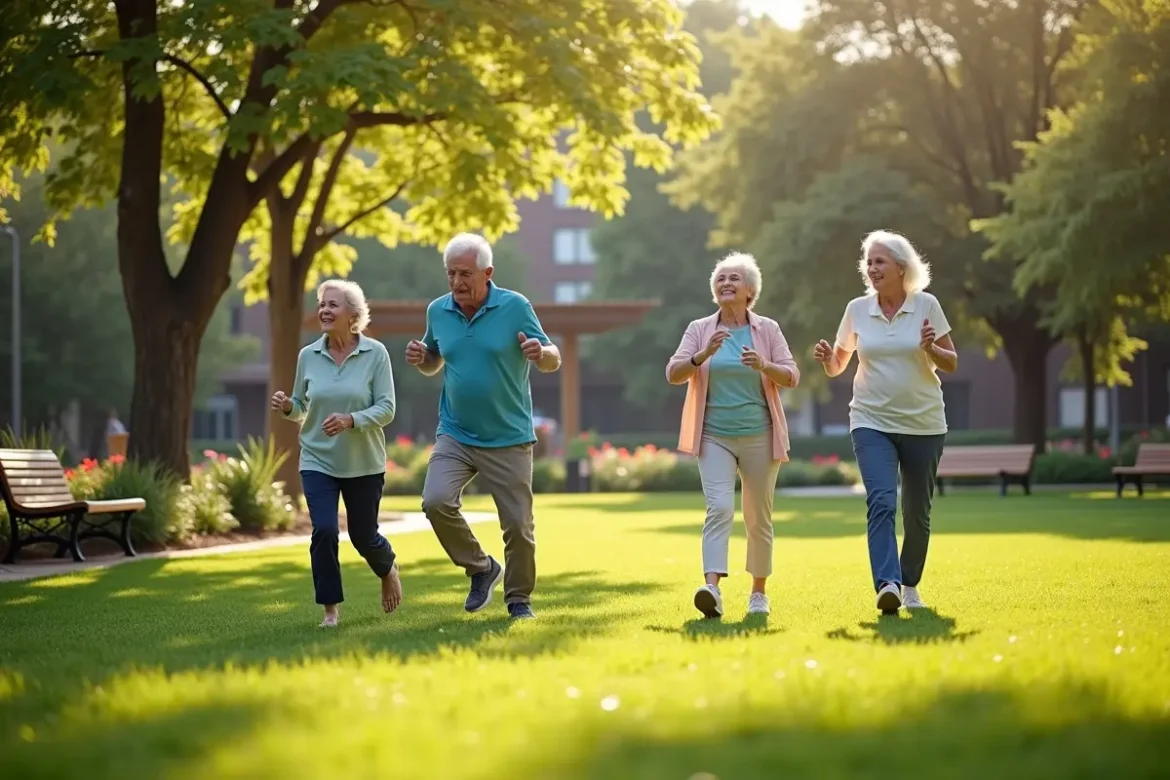
Physical activity is essential for maintaining mobility, balance, and cognitive function in older adults. Encouraging daily activities such as walking groups, gentle stretching, or yoga sessions helps preserve muscle strength and joint flexibility. Healthcare professionals recommend routines tailored to personal ability and preference, which can significantly enhance motivation and adherence.
Physical exercise also has proven benefits for mood and mental health, as movement triggers the release of endorphins and reduces symptoms of depression and anxiety. Group activities not only promote health but also provide enjoyable opportunities for social interaction and connection.
Encouraging Social Engagement
The emotional and mental health of seniors is closely linked to their level of social engagement. Isolation and loneliness can lead to a host of health issues, including cognitive decline and chronic illness. Participating in community events, clubs, or group hobbies helps seniors find meaningful connections and a sense of purpose. Many residents in an assisted living facility benefit from structured programs and social activities that facilitate connections with peers and encourage active involvement in their community.
Technology can also help maintain relationships when in-person gatherings are not possible. Video calls, messaging apps, and social media platforms provide new avenues for keeping in touch with family and friends. Volunteering opportunities, whether on-site or remote, foster a strong sense of community, contributing to higher levels of life satisfaction and a more fulfilling daily experience.
Leveraging Technology for Enhanced Safety and Engagement
Modern technology provides a range of tools for enhancing both safety and social interaction. Virtual Reality (VR) platforms can immerse seniors in engaging activities, such as virtual travel, games, or interactive experiences, thereby boosting cognitive stimulation and providing enjoyment. Research also shows VR can improve feelings of social connection and participation among older adults.
Smart home devices, from automated lighting and voice-activated assistants to emergency alert systems, make living spaces safer and more accessible. Wearable health monitoring tools are valuable for tracking heart rates, sleep patterns, and even detecting falls, ensuring a rapid response in emergency situations.
Creating Safe and Comfortable Outdoor Spaces
Access to outdoor areas plays a crucial role in senior health, providing sunlight, fresh air, and opportunities for exercise and relaxation. Outdoor spaces should provide wide, nonslip pathways to support walkers or wheelchairs, along with ample shade and seating for rest.
Brightly colored markers and simple, clear signage make navigation easier and promote autonomy. These thoughtfully designed environments encourage regular time spent outdoors, which improves mental health, boosts vitamin D levels, and reduces anxiety. Well-designed gardens and patio spaces can also serve as hubs for safe and enjoyable interactions with neighbors and family members.
Conclusion
Creating an environment that is safe and engaging is essential for enhancing the quality of life and maintaining the independence of older adults. By focusing on practical home modifications, promoting physical activity, encouraging meaningful social interaction, and leveraging new technologies, caregivers and senior community administrators can establish supportive spaces where seniors thrive. Each element, from physical safety to emotional wellness, is a crucial building block for a fulfilling and vibrant aging experience.