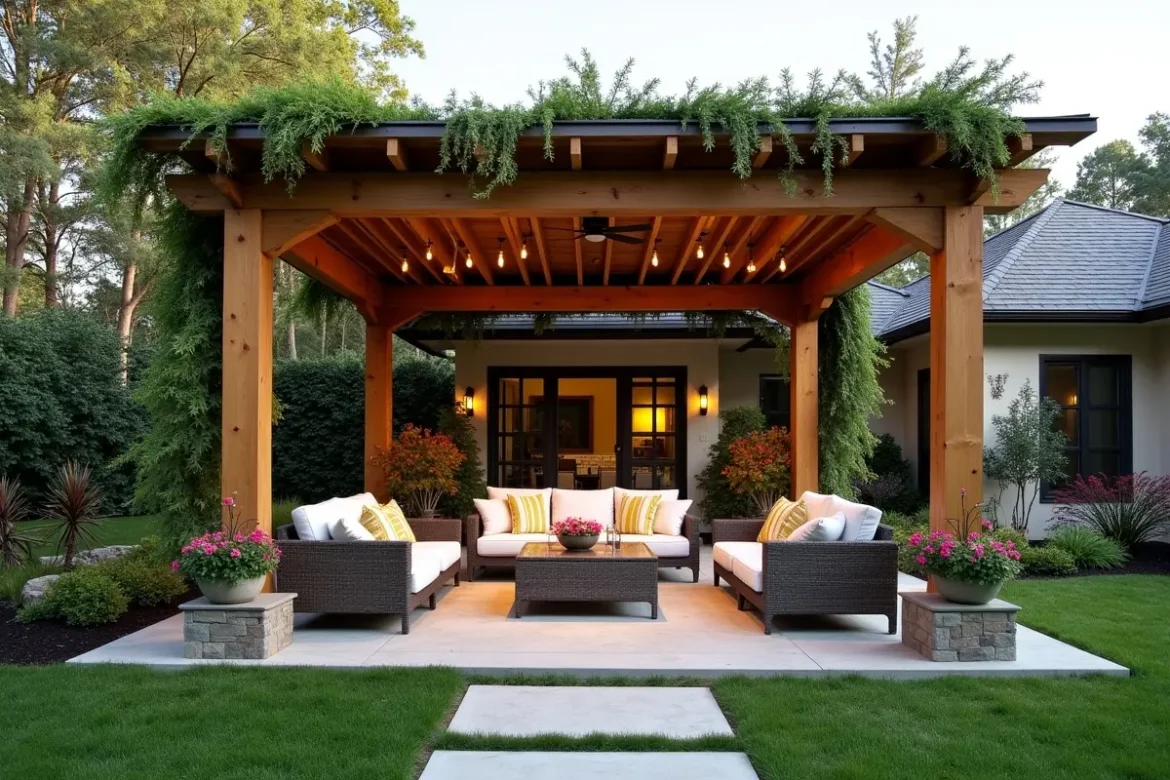
Designing Outdoor Living Spaces for Modern Lifestyles
Modern outdoor living spaces are evolving, offering the chance to enhance daily life with comfort, connection, and style. With intentional planning and the right features, these open-air environments become natural extensions of your home. If you’re seeking to create a versatile area that balances beauty and functionality, working with a professional deck builder can help turn your vision into reality, ensuring every detail meets current trends and your specific needs.
The desire to merge indoor convenience with the natural appeal of the outdoors is shaping the way people approach outdoor design. This integration not only increases usable living space but also boosts overall well-being by inviting light, fresh air, and natural surroundings into daily life. Whether entertaining friends or relaxing after work, purposefully designed outdoor spaces make it easier to enjoy the best of all worlds.
Another significant consideration is choosing materials that are both stylish and built to last. Homeowners today often prioritize sustainable choices and energy-efficient options that stand up to local weather and daily use while maintaining a modern appearance. These spaces can be enjoyed year-round, with adaptable elements for different seasons and functions.
Incorporating various zones for relaxation, dining, and entertainment, along with personalized touches and smart technologies, supports modern routines and individual tastes. This guide explores must-know concepts and trending features to help you create an outdoor living area suited to contemporary lifestyles.
If your vision includes shaded retreats or gathering spots, adding pergolas & gazebos delivers architectural interest and flexible comfort for all seasons.
Seamless Indoor-Outdoor Integration
Blending indoor and outdoor spaces creates harmony throughout the home. Features such as floor-to-ceiling sliding doors, consistent flooring materials, and open-concept layouts allow your home to feel larger while enhancing natural light flow.
Thoughtful placement of patios, decks, or outdoor kitchens ensures these areas are easily accessible and functional from the inside. This design approach has risen sharply in popularity as homeowners recognize the benefits of integrating indoor comforts with outdoor environments. According to Architectural Digest, these seamless transitions are a cornerstone of current outdoor living trends.
Sustainable and Durable Materials
Materials should withstand the weather, look attractive, and require minimal maintenance. Composite decking made from recycled materials, sustainably harvested wood, and permeable pavers are top picks for long-lasting outdoor spaces. Their sustainability reduces environmental impact, while durability ensures outdoor projects stand up to daily wear and seasonal changes. Using these options not only supports eco-friendly living but also adds long-term value to your property.
Year-Round Comfort
Maximizing the usability of outdoor living spaces means designing for year-round enjoyment. Adjustable pergolas, retractable awnings, or louvered roofs offer flexible shade and shelter, making decks and patios more comfortable during both hot summers and rainy seasons.
Adding features like radiant heaters, fire pits, or outdoor fireplaces extends outdoor gatherings into cooler months. Meanwhile, ceiling fans and natural shade from landscaping keep spaces inviting throughout the summer heat.
Functional Zoning
Defining multiple zones allows outdoor areas to serve a variety of purposes efficiently. This can be achieved through strategic furniture arrangements, pathway placement, changes in elevation, or even the use of outdoor rugs and planters.
Allowing for distinct areas, such as al fresco dining sections, lounge retreats, and play spaces, enhances the environment’s flexibility while supporting activities for every member of the household. Smart zoning contributes to both visual appeal and practical day-to-day living, according to the National Association of Home Builders trend insights.
Smart Technology Integration
Modern outdoor living spaces benefit greatly from smart technology. Features like automated lighting, weatherproof wireless speakers, and app-controlled irrigation systems make it convenient to personalize your environment. With outdoor kitchens or entertainment areas, you can also consider integrating Wi-Fi, smart TVs, or responsive security lighting, all of which help streamline tasks and keep outdoor areas usable at any hour.
Biophilic Design Elements
Connecting with nature through design, also known as biophilic design, enhances both the visual appeal and well-being of those who use the space. By incorporating native plants, stone pathways, water features, and natural wood or rock elements, your outdoor environment feels inviting and restorative. Biophilic design not only boosts mental health but also supports pollinators and local ecosystems, making it both a personal and ecological win. For more insights, refer to the NJ Green Building Manual.
Personalization and Aesthetics
Personal touches are what transform a functional outdoor area into a sanctuary. Reflection of your preferences through color palettes, outdoor furniture, or unique decor elements makes the space feel like your own. Consider adding art installations, customized lighting, or even built-in seating to create a distinctive environment. These features allow your outdoor living area to stand out and serve as a true expression of your lifestyle and creativity.
Conclusion
Embracing the essentials of modern outdoor design lets you craft welcoming spaces perfectly suited to diverse routines and personal tastes. By focusing on seamless connections, sustainable materials, adaptable comfort, clever zoning, innovative technology, biophilic principles, and distinctive aesthetics, you enhance your home’s appeal and functionality. These strategies result in outdoor living areas that not only add value but also bring peace, inspiration, and versatility to everyday life.