How to Extend the Lifespan of Your Pool Pump with Simple Weekly Habits
An overworked pool pump does not stop working suddenly. Instead, it deteriorates slowly; there is a little more heat generated per cycle and a bit more friction each week, adding up until the pump eventually refuses to start. The majority of preventable damage occurs from habits that take less time than preparing a cup of coffee.
On average, the motor of a pool pump should last between 8 to 10 years. Pumps that are constantly put under pressure (whether due to limited flow, running without water, or in an inadequately ventilated area), will need replacing between 3 to 5 years (according to the standards of the Pentair and Hayward pool industry). The lifecycle gap between the two is quite significant and will mostly depend on what you choose to do, or not do, for a few minutes of your time each week.
Empty The Baskets Before You Do Anything Else
The pump basket is a basket that is placed inside the pool pump housing. This basket catches leaves, hair, and debris so they do not get pulled into the pool pump and the pool pump’s impeller. The pump basket is something that you should check on and empty often. When the pool pump basket is full of debris, the flow of water going into the pump will be restricted which will cause the pump to work harder.
This can cause the pump motor to overheat, strain the internal working parts of the motor, and cause the motor to work harder. The pump basket should be checked and emptied frequently, especially if your pool is located in an area that receives a lot of wind and debris.
Watch The Water Level And The Pressure Gauge
It is important that the water level in your pool remains above the midpoint of the skimmer’s mouth. If it goes below that, the skimmer will draw in air instead of water. This will have the same effect as a cracked O-ring, the same thermal damage, and the same shaft seal failure – except that it can happen in a single operating session.
So, check the level before you turn on the pump. Top up with a hose if needed. It’s a 10-second visual check that prevents a repair bill that starts in the hundreds.
On the filter side, monitor the pressure gauge reading. A dirty filter creates backpressure, meaning that your pump motor is working against resistance with every cycle. If the pressure gauge reading is sitting 8 to 10 PSI above your normal baseline, it’s time to backwash. Running a pump against a high-pressure filter for months on end will cut its operational life in half.
If your weekly checks do start throwing up symptoms that go beyond these basics – grinding or screeching from the motor housing, a suction issue that won’t resolve even post-clean and refill, a shaft seal that keeps leaking despite being replaced – these are signs of internal wear and tear that require professional diagnosis. Companies like Shenton Pumps can advise whether it is a repairable component or that the motor’s just died of old age – before you pull it apart and turn a diagnostic issue into a disassembly problem.
The O-ring Is Small And Easy To Ignore Until It Isn’t
Most individuals do not pay much attention to the lid gasket, which is the rubber O-ring responsible for sealing your pump housing, until issues start to occur. If the gasket dries out or forms tiny cracks, it allows air to penetrate the suction line. Having air in the suction line causes the pump to lose its prime. A pump losing its prime leads to the pump running in a waterless state and ultimately destroys its shaft seal due to heat friction, and warps plastic components (sometimes within minutes).
This is an easy 30-second solution. Simply pull out the O-ring, clean it, apply a thin layer of silicone-based lubricant, and reinsert it. Avoid using petroleum-based products, as they degrade the rubber over time and cause the exact issue you are attempting to avoid.
Keep The Area Around The Pump Motor Clear
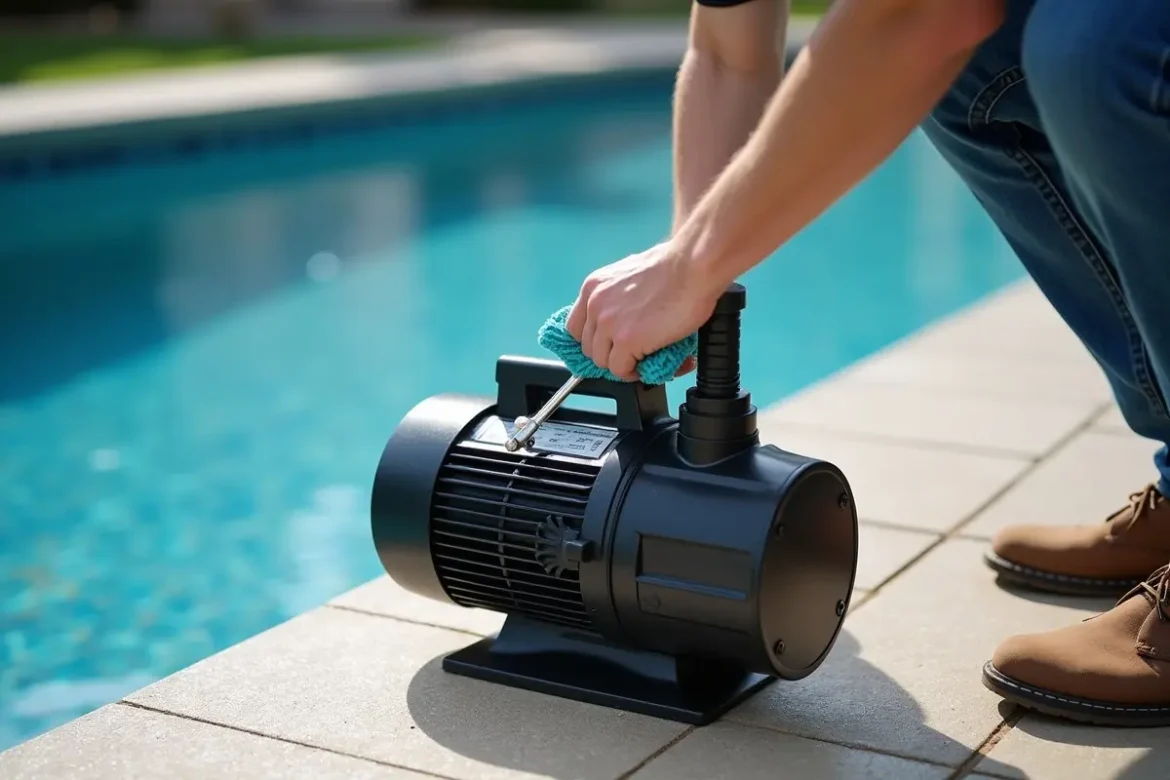
The motor has cooling vents on its exterior. It is designed to rely on airflow to remain at operational temperatures. If the housing is packed with leaves, mulch growing up around it, or any other debris blocking the fan housing, it will run hot under even normal load conditions.
Check the pump pad when you’re out there doing baskets. Clear away anything within 20 to 30cm of the unit. If you’re in an insect or small animal area, it’s worth a periodic look under any protective covers – nesting material inside the motor housing is a real cause of electrical failures and fires.
If you’re currently running a single-speed pump and replacement is coming up, a variable-speed pump is worth looking at. They run at lower RPM for routine filtration, which means less heat, less wear, and an energy use reduction of well over 50% over the decade.
The Habit Loop Matters More Than The Individual Tasks
None of these checks take long on their own. The problem is skipping weeks. Debris builds up, O-rings dry out, filter pressure climbs – and the damage compounds. A five-minute walk around the pump equipment once a week, combined with a monthly closer inspection of seals and gauges, is what separates a pump that lasts a decade from one that needs replacing in four years.