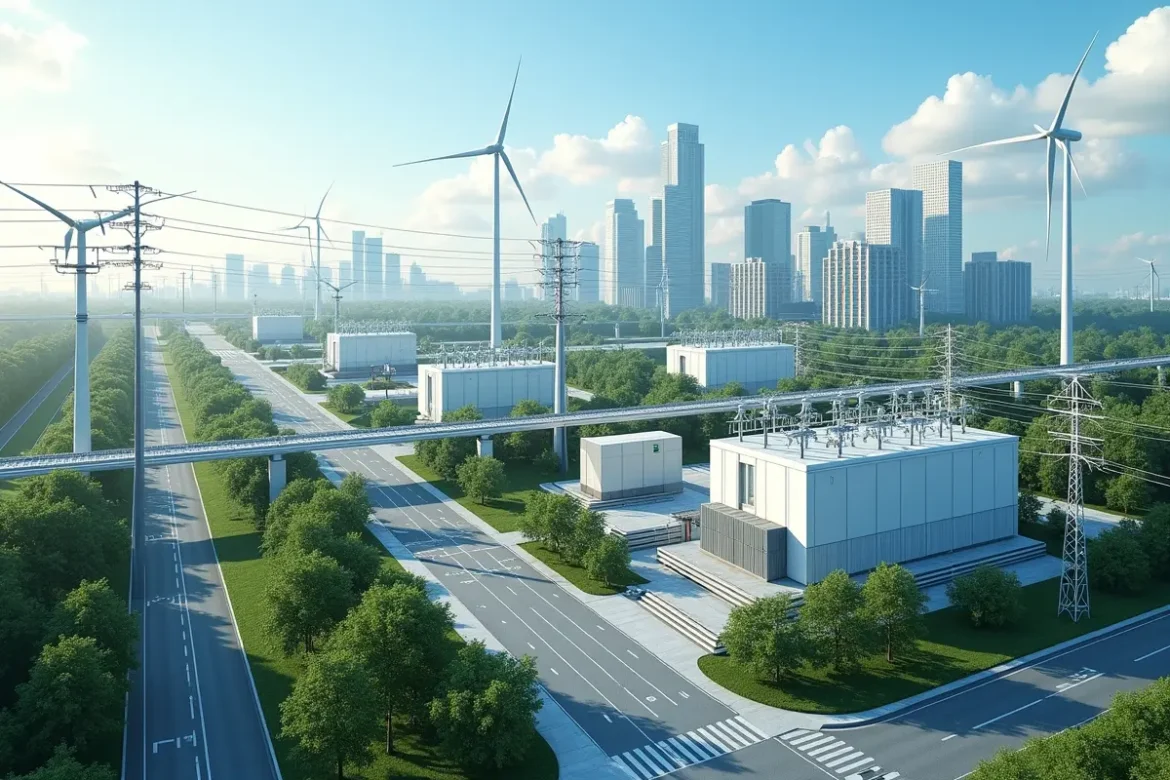
Modern Electrical Equipment: Transforming Infrastructure for a Sustainable Future
Rapid technological advancements, with electrical systems at the forefront, are shaping modern infrastructure. Critical sectors, from healthcare and telecommunications to transportation and energy, rely on robust and advanced electrical equipment to drive operational efficiency and innovation.
As industries pursue smarter, greener, and more resilient solutions, updating existing electrical frameworks is vital. These upgrades benefit not only the organizations that use them but also broader communities, improving reliability and reducing environmental footprints.
The advantages of modern electrical technologies are evident in improved safety standards, streamlined maintenance protocols, and enhanced integration with data analytics. For example, advanced protection systems can respond quickly to electrical faults, preventing cascading failures and minimizing downtime.
Upgrades to transmission and distribution networks are increasingly common, facilitating the transition from aging grids to systems capable of handling diversified, variable power sources. The transformation of industrial motors and controls further underscores the importance of modern solutions, including an electric motor that now offer greater energy efficiency and integration with digital monitoring platforms.
As infrastructure demands worldwide grow, governments and industry experts recognize the need for rapid innovation. According to a recent Wall Street Journal analysis, the increasing demand for data processing and cloud services is putting further pressure on electrical grids, underscoring the importance of advanced infrastructure planning.
The advantages of modern electrical technologies are evident in improved safety standards, streamlined maintenance protocols, and enhanced integration with data analytics. For example, advanced protection systems can respond quickly to electrical faults, preventing cascading failures and minimizing downtime.
The Need for Modernization
Many existing infrastructure systems are reaching or exceeding their intended lifespans. For example, a significant portion of the United States’ power grid was constructed in the 1950s and 1960s and suffers from age-related wear and underinvestment. Failing to update these systems poses risks of outages, inefficiency, and lost economic opportunities. According to McKinsey, delayed infrastructure modernization could result in staggering economic losses, with the US alone projected to lose as much as $10 trillion in GDP by 2039 if investments are not accelerated.
Modernization does not simply mean replacing parts; it involves holistic upgrades, including automation, smart controls, and energy-efficient devices. These solutions improve service reliability and reduce costs over time by minimizing energy waste and unnecessary maintenance.
Innovations in Electrical Equipment
Cutting-edge electrical equipment is changing the game across industries. Notable innovations include High-Voltage Direct Current (HVDC) systems, which are becoming standard for data centers and renewable integration projects. The advanced 800VDC systems, for example, enable data centers to distribute power more efficiently, reducing energy losses and the need for bulky infrastructure. These systems typically deliver energy savings of 8 to 12 percent and reduce cooling requirements, further lowering operating expenses.
Solid-state transformers, digital relays, and remote monitoring technologies also contribute to improved reliability and proactive maintenance. These advancements collectively enhance grid responsiveness and give infrastructure operators unprecedented control over electrical systems.
According to Bloomberg, some of the most impactful improvements come from combining digital technologies, like IoT-enabled sensors, with traditional systems to maximize grid stability and efficiency.
Impact on Data Centers
Data centers are among the most energy-intensive facilities worldwide. As artificial intelligence, cloud computing, and edge processing gain momentum, these facilities require unparalleled reliability and high-capacity power distribution. The market for advanced electrical equipment in US data centers is predicted to surge from $20 billion in 2026 to $65 billion by 2030, reflecting the sector’s rapid evolution. Enhanced electrical infrastructure is not only about capacity; it also supports uptime and operational flexibility as digital dependencies increase.
Innovations in electrical equipment help data centers maintain uninterrupted operations, minimize energy costs, and meet sustainability targets. In addition, enhanced power monitoring and intelligent automation ensure that data centers operate at peak efficiency even as demand escalates.
Enhancing Grid Reliability
Grid reliability is at the heart of infrastructure resilience. Modern equipment helps fortify transmission and distribution networks against both everyday load fluctuations and extreme events. Among recent breakthroughs, superconducting transmission lines stand out.
These lines can transport five to ten times the power of traditional conductors within the same spatial and voltage constraints, enabling much-needed upgrades without an overhaul. According to MIT News, this innovation has the potential to address long-standing grid bottlenecks and facilitate the integration of renewable resources, supporting a stable, modern grid for future growth.
Supporting Renewable Energy Integration
The shift to low-carbon, sustainable energy production relies on infrastructure that can efficiently manage intermittent renewable sources. Advanced electrical equipment plays a crucial role by enabling smart grid instrumentation and fast-reacting distribution systems. Flexible power electronics, dynamic transformers, and remote monitoring tools enable existing grids to receive and balance renewable energy contributions, advancing the global transition to cleaner energy.
According to the US Department of Energy, efficient transmission is a linchpin for ensuring renewable sources reach consumers reliably, reducing dependence on fossil fuels, and helping countries achieve their climate goals.
Challenges and Opportunities
Upgrading electrical infrastructure comes with challenges, including high capital investments, regulatory complexity, and the need for specialized technical expertise. However, these hurdles are counterbalanced by significant opportunities for long-term savings, job creation, and increased resilience. Policymakers and private sector leaders are encouraged to prioritize modernization efforts not only for economic benefits but also for climate resilience and national security.
Successful modernization initiatives create a ripple effect, stimulating local economies, supporting green jobs, and preparing communities for future growth and technological change.
Conclusion
Modern electrical equipment is a foundational element in building the infrastructure of tomorrow. Through constant innovation, adoption of efficient systems, and support for renewable integration, the future promises greater efficiency, reliability, and environmental stewardship. Comprehensive upgrades ensure that global infrastructure can meet evolving needs, foster prosperity, and sustain progress well into the future.